
Common Self Assessment Penalties (and How to Avoid Them)
Every year, thousands of taxpayers across the UK are caught out by HMRC penalties that could easily have been avoided. Whether you're a sole trader, landlord, or company director, understanding how Self Assessment penalties work, and where the common traps lie, can save you real money.
Here's our guide to the penalties you're most likely to encounter, and practical steps to stay clear of them.
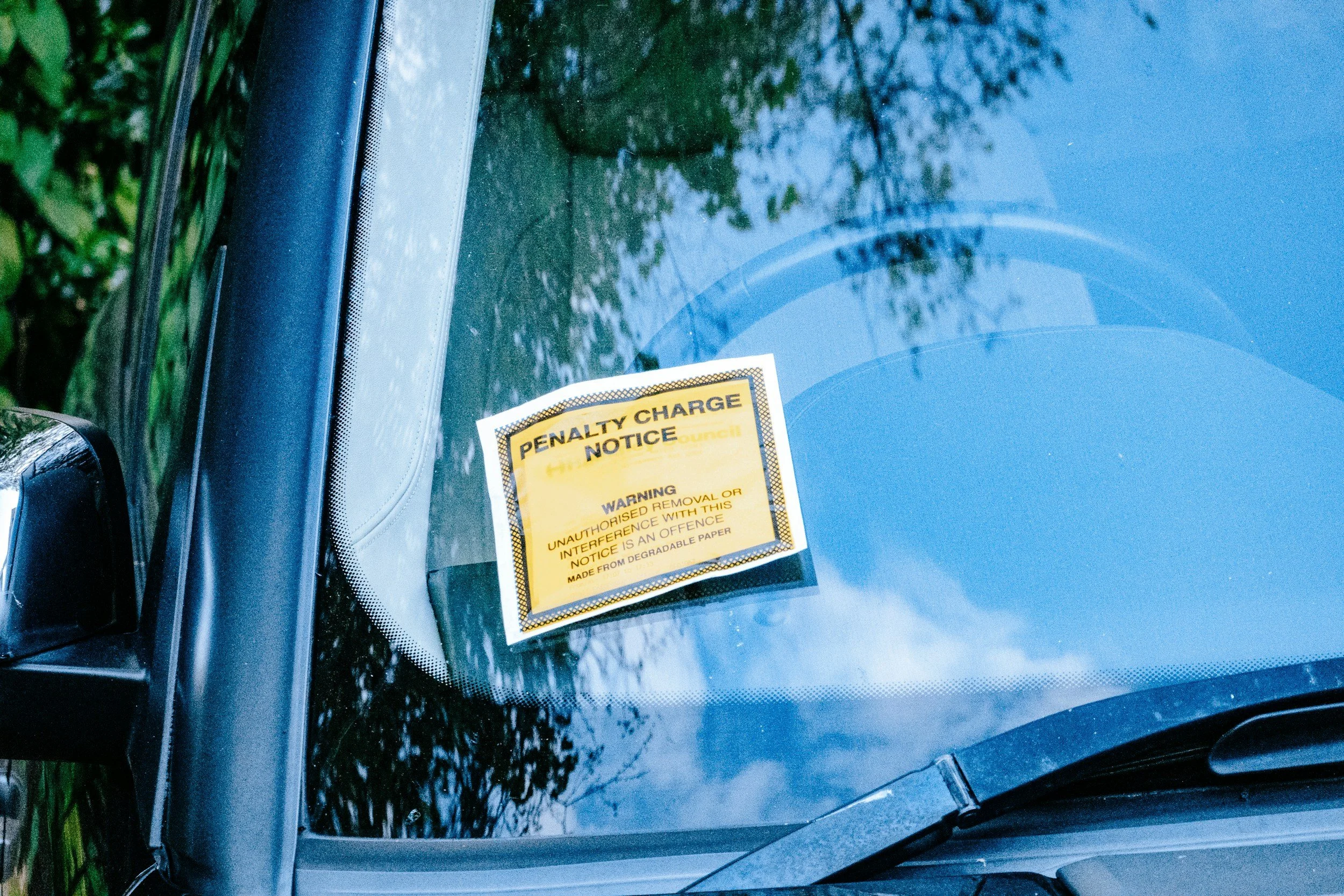
1. Late Filing Penalties
If you miss the Self Assessment deadline (31 January for online returns), HMRC's penalty regime kicks in automatically, regardless of whether you owe any tax.
1 day late: £100 fixed penalty
3 months late: £10 per day, up to a maximum of £900
6 months late: a further £300 or 5% of the tax due, whichever is higher
12 months late: another £300 or 5% of the tax due (and in serious cases, up to 100% of the tax owed)
How to avoid it: Register for Self Assessment early if you're new to it. HMRC can take several weeks to issue your Unique Taxpayer Reference (UTR). Set calendar reminders well ahead of 31 January, and if you know you're going to be disorganised, get your paperwork to your accountant in November or December, not the second week of January.
2. Late Payment Penalties
Filing on time doesn't help if you don't pay on time. Payment is due on the same date as filing, 31 January, with a further payment on account deadline of 31 July for many taxpayers.
30 days late: 5% of the unpaid tax
6 months late: a further 5%
12 months late: another 5%
Interest also accrues daily on any unpaid tax from the due date, separate from these penalties.
How to avoid it: If you can't pay in full, don't ignore it. HMRC's Time to Pay arrangement lets you spread payments in instalments, and setting one up before the deadline can prevent late payment penalties from applying. Waiting until you receive a demand letter is the wrong time to act.
3. Inaccuracy Penalties
These apply when a return contains errors that understate tax owed. HMRC bands these by behaviour, not just outcome:
Careless error: up to 30% of the extra tax due
Deliberate error: up to 70%
Deliberate and concealed: up to 100%
The good news: if you spot your own mistake and tell HMRC before they find it (an "unprompted disclosure"), penalties are significantly lower, sometimes reduced to nil.
How to avoid it: Keep clean, contemporaneous records throughout the year rather than reconstructing them in January. Common triggers we see include underreported rental income, missed dividend income from smaller shareholdings, and incorrectly claimed expenses. If you discover an error after filing, correct it proactively rather than hoping it goes unnoticed.

4. Failure to Notify Penalties
If you have a new source of taxable income (starting self-employment, letting a property, or receiving significant dividends) and don't tell HMRC in time, you can be penalised even before a return is involved. The deadline to register is 5 October following the end of the tax year in which the income arose.
How to avoid it: Don't wait to "see how things go" before registering. If you've started freelancing, taken on a lodger above the Rent a Room threshold, or begun receiving rental income, register promptly. Registration itself carries no tax cost, but late notification does.
5. Penalties for Errors in MTD Records (Making Tax Digital)
As Making Tax Digital for Income Tax rolls out, taxpayers within scope will need to keep digital records and submit quarterly updates. Missing these submissions is expected to trigger a points-based penalty system similar to that already used for VAT: penalty points accumulate with repeated failures, eventually triggering a fixed fine.
How to avoid it: If MTD applies to you, get compatible software in place early and build quarterly submission dates into your routine well before they become mandatory for your income level.
What to Do If You've Already Been Penalised
A penalty notice isn't necessarily the final word. If you have a reasonable excuse (a genuine, unavoidable reason for missing a deadline, such as serious illness, bereavement, or an unexpected system failure at HMRC), you can appeal within 30 days of the notice. "I forgot" or "my accountant was too busy" generally won't succeed, but well-documented genuine hardship or exceptional circumstances often will.
The Bottom Line
Most Self Assessment penalties are entirely preventable with early organisation rather than technical tax knowledge. The taxpayers who get caught out are rarely the ones with complicated affairs. They're the ones who leave things until the last fortnight of January.
If you'd like help getting ahead of your Self Assessment obligations, or you've already received a penalty notice and want to explore whether it can be appealed, Surrey Hills Tax Limited is here to help. Get in touch with our team today.
Disclaimer: This article is for general information only and does not constitute tax advice. Tax treatment depends on individual circumstances and may change.